A Tree Has to Go. Here Is the Plan.
You have a tree that has to go. Maybe it leans over your roof. Maybe it came down in a storm. Maybe it is dying in the yard. Whatever the case, you need a straight answer.
Here is the short version. Preparedengagement Tree Service is a referral service. We do not cut trees. We connect homeowners in Louisville/Jefferson County metro government and the Louisville/Jefferson County metro government area with independent tree removal providers in our network. The provider looks at the tree and gives you a written quote. The provider does the work.
That split matters. You should know who you are dealing with at every step. So we say it up front.
Request a callback to check provider availability for your job. Many providers can respond quickly when a tree threatens your home. Hours vary by provider, so ask when you connect.
Not sure what you need yet? That is fine. Tell us where the tree stands, how big it is, and whether it touches a roof, fence or wire. Then request an estimate. You are under no obligation to hire anyone.
How It Works
Who we are, and who we are not
Preparedengagement Tree Service is a referral service. That is the whole story. We do not own trucks. We do not run saws. Nobody from Preparedengagement Tree Service shows up at your door with a chainsaw.
What we do is match you with someone who does. Providers in our network are independent local businesses. They run their own jobs, set their own prices and keep their own schedules.
How your request gets routed
You call or fill out the request form. You tell us what is going on: the kind of tree, where it stands, what it is near. Then we route you to a provider that serves your part of Louisville/Jefferson County metro government. From there, you deal with the provider directly.
The provider looks at the tree and gives you a written quote. You say yes or no. There is no obligation to hire.
What a provider usually handles
- Checking the tree and the site
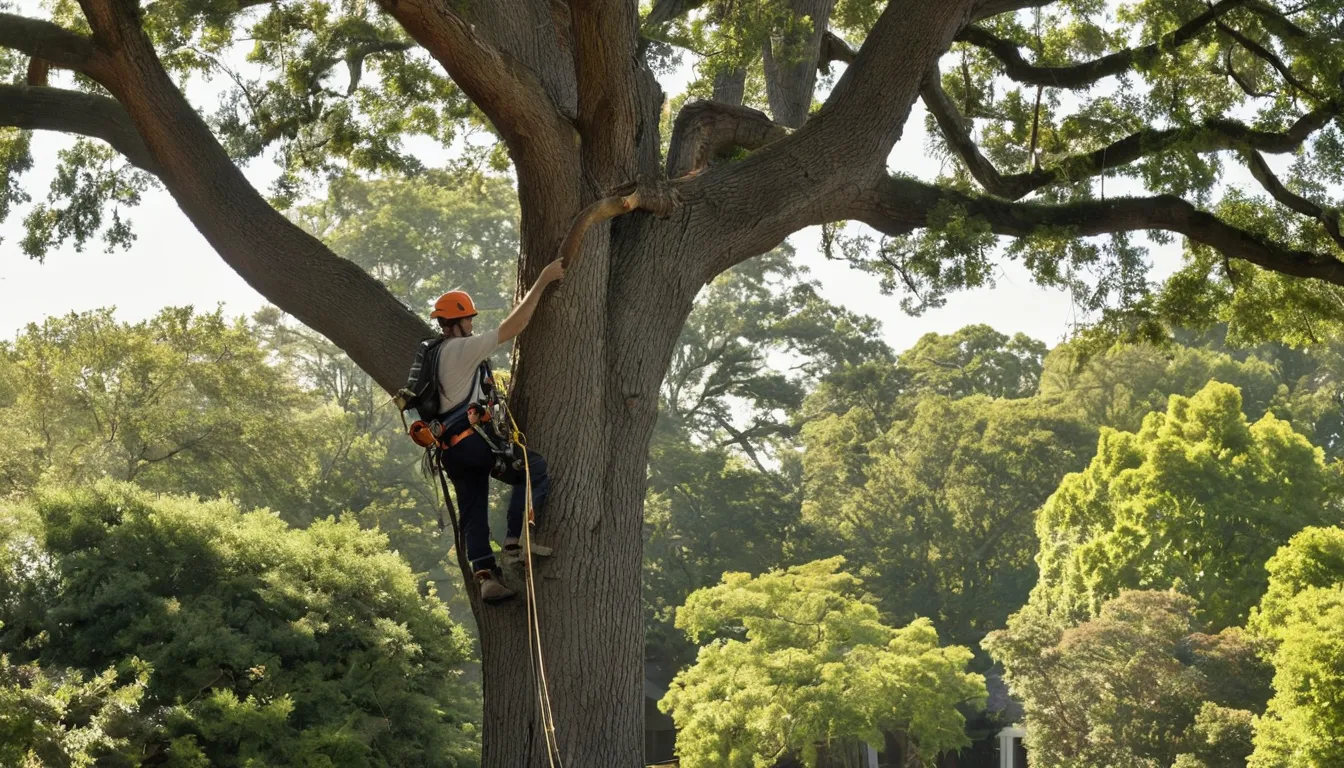
- Cutting, rigging and lowering sections safely
- Hauling away limbs and trunk, or leaving wood if you ask
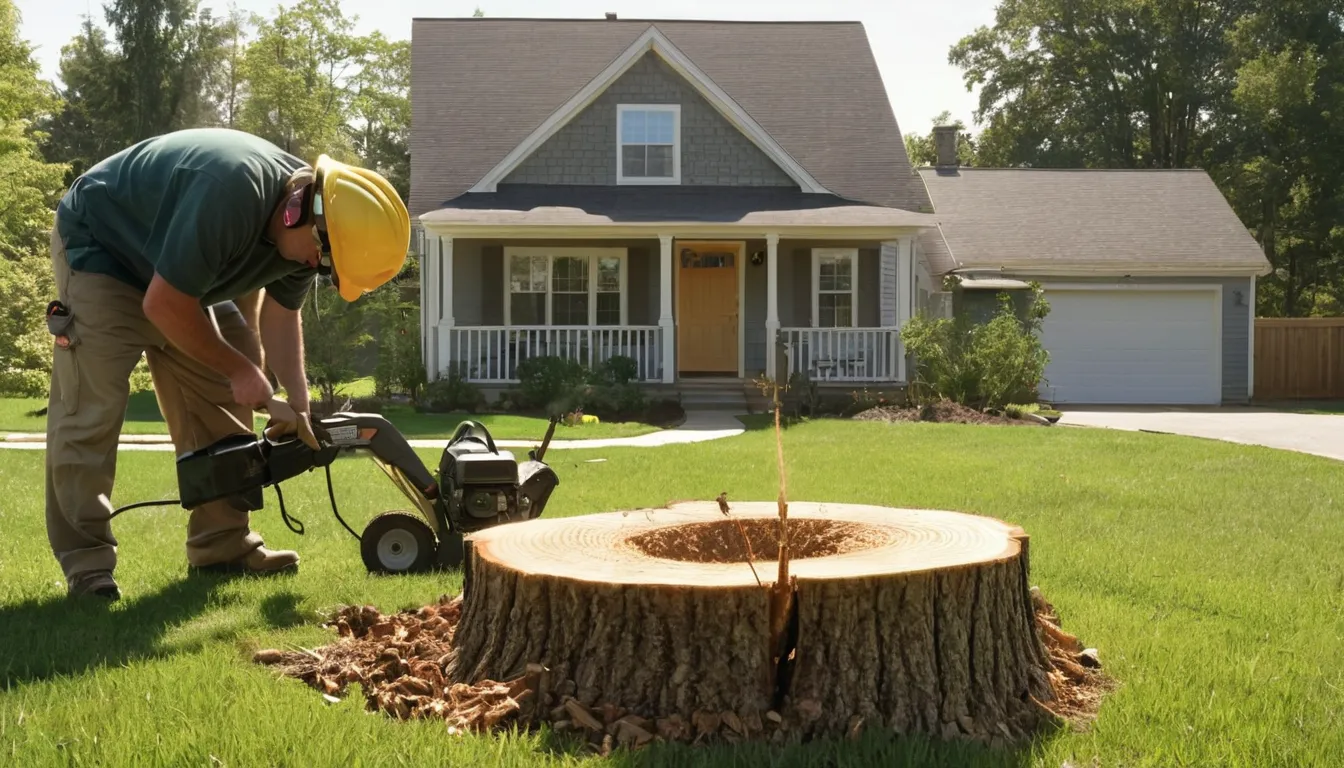
- Stump grinding, when you want the stump gone
- Advice on local permit rules, where they apply
Not every provider offers every item. Ask before you book.
After the tree is gone
Removal fixes today's problem. A little care keeps the next one away. Walk your yard when the work is done. Look at the trees left behind. Check for dead limbs, cracks in the trunk and mushrooms near the base. Watch how rain drains, since a missing tree changes where water goes. A provider can often point out other trouble spots during the visit, so ask.
Where Providers Serve You
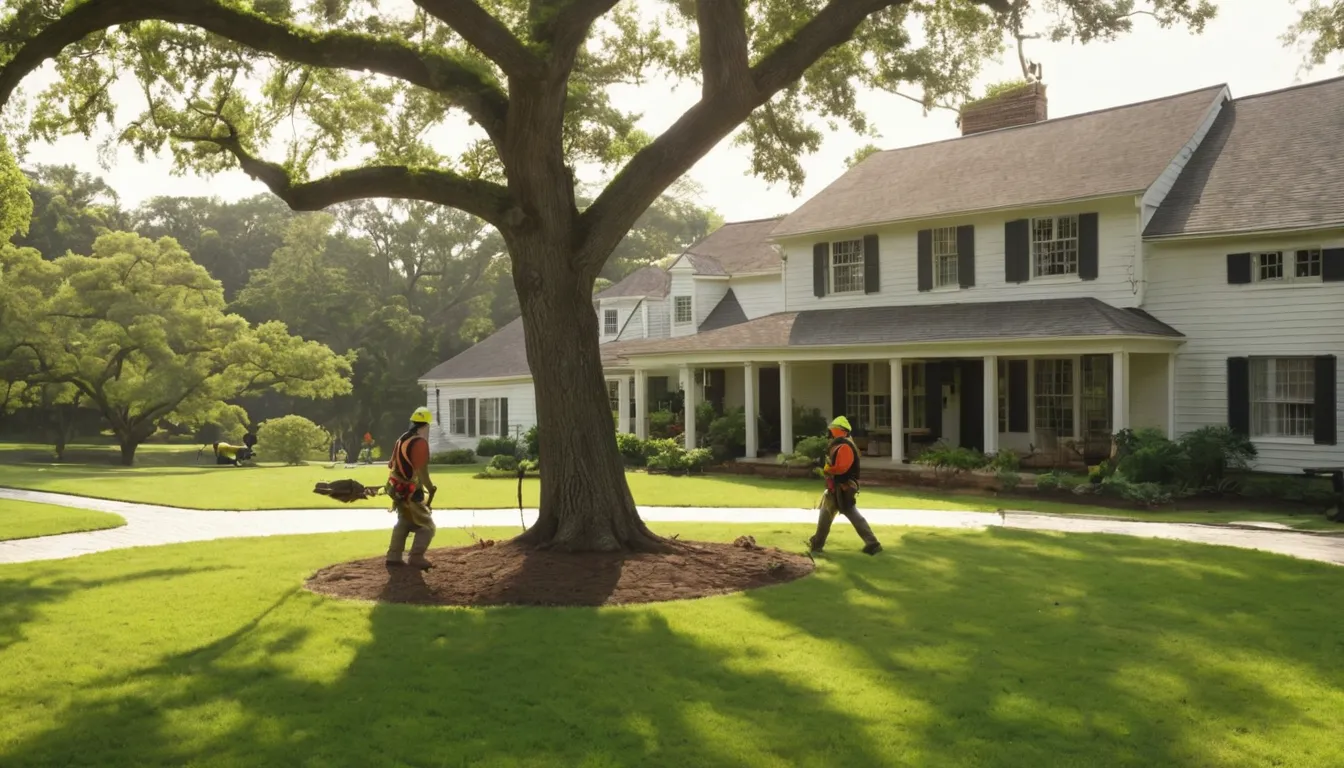
Providers in our network serve Louisville/Jefferson County metro government and the Louisville/Jefferson County metro government area. That covers older streets with rowhouses and tight lots. It also covers neighborhoods of colonial and split-level homes with big backyard trees.
The lot matters. A tree in a narrow rowhouse yard is a different job than one on a wide suburban lawn. Access, power lines and fences change the plan and the price. Tell us about your yard when you reach out. It helps us route you to a provider who handles that kind of job.
Our weather keeps providers busy. Summers are humid and wet. Nor'easters push hard wind into full trees. Winters bring ice weight and frost-thaw cycles that crack weak wood. Spring and fall are common times to deal with trouble trees.
Request a callback to check which providers can take your job. Availability changes with the season and with storms.
Prefer to write it down? Send the request form. Add a short description, the tree's size, and what it sits near. A provider can then give you a more useful quote.
Straight Answers for Tree Owners
Why this guide exists
Homeowners get burned when they do not know who they are calling. We would rather be clear. Below is a plain guide to what people ask most.
Signs a tree is failing
- Big dead limbs during the leafy season
- A lean that is new or getting worse
- Cracks, splits or hollow spots in the trunk
- Roots lifting soil, a walkway or a driveway
- Mushrooms growing at the base
One sign may be fine. Two or three mean get it looked at.
Why our weather is hard on trees
Summers are humid and wet, so soil gets soft and roots loosen. Nor'easters then push wind against full canopies. Winter adds ice weight and frost-thaw cycles that crack weak wood. Trees near colonial and split-level homes often sit close to roofs and basement walls. A fall there costs more.
Storm tree clearance
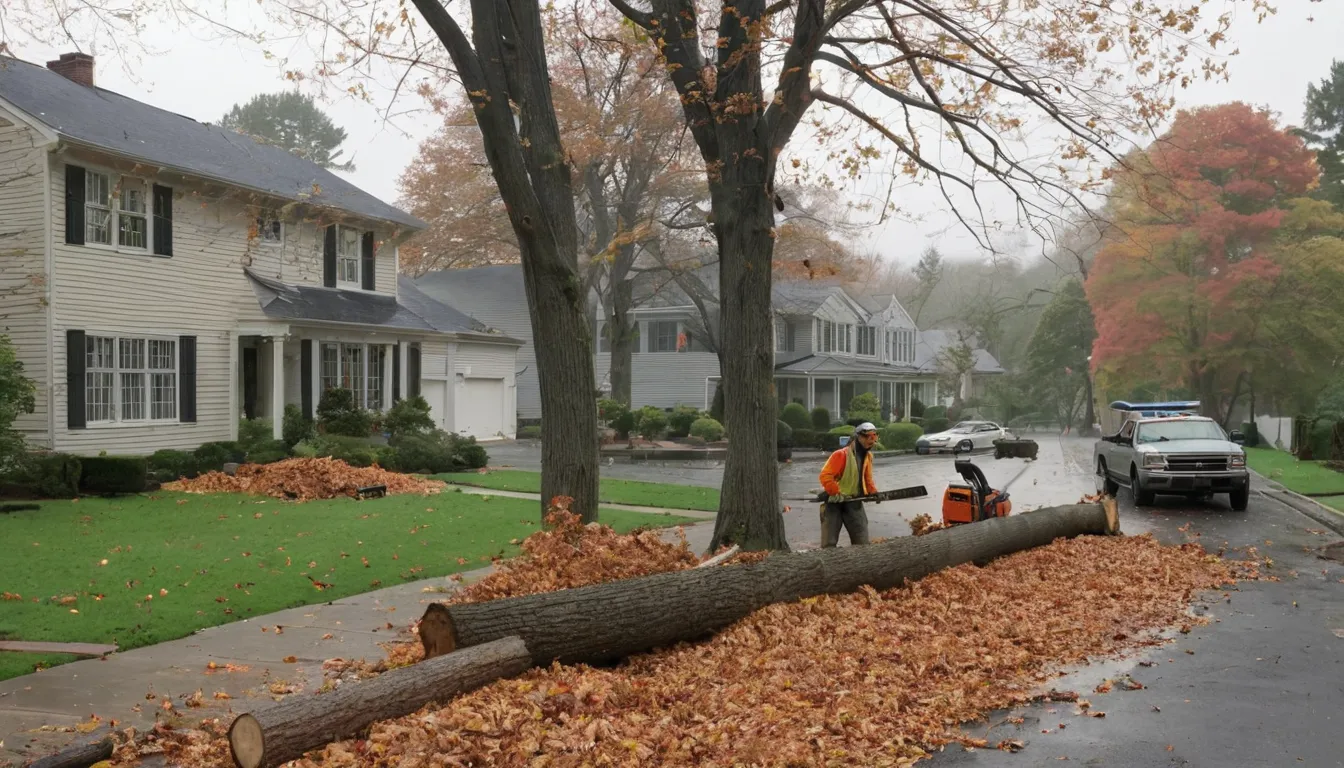
After a storm, stay far from downed lines. Treat every wire as live. Then reach out for storm tree clearance. Many providers can respond quickly, but hours vary. Road conditions and demand can slow things down. For a tree on a house, ask about emergency tree removal first.
What tree work costs
Typical U.S. ranges: small trees often run a few hundred dollars. Large or hard-to-reach trees can run into the thousands. Stump grinding is often priced on its own. Emergency work can cost more. Prices vary by job, so get a written quote.
Questions to ask a provider
- Are you insured for tree work?
- Is cleanup part of the quote?
- Who handles the permit, if one is needed?
- When can you start?
A good provider answers these without fuss.
Keep the yard safe afterward
Prune on a schedule. Mulch young trees, but keep mulch off the trunk. Clear leaves from gutters. Check your trees each spring and after big storms. Small fixes now save a bigger job later.
Insurance and your claim
Some policies may cover sudden damage, like a tree that falls on a house. Check your policy. Providers can often help document damage for a claim.
Ready to Talk?
Pick the easy way. Request a callback to check provider availability, or send the request form with a few details about your tree.
You will be routed to an independent local provider. They give you a written quote. You choose what happens next. No obligation.